The Ultimate Guide 8 Key Benefits of Modern Restaurant POS Software
The restaurant industry navigates an increasingly complex landscape, demanding more than just efficient order taking. Modern restaurant POS software transcends basic transaction processing, evolving into a central operational hub. Today’s cloud-native platforms, for instance, integrate seamlessly with online ordering systems, contactless payment options. dynamic inventory management, directly addressing post-pandemic operational shifts. This technological advancement empowers restaurateurs to leverage real-time sales data for menu optimization and labor scheduling, driving profitability and enhancing the guest experience. It represents a critical paradigm shift from reactive management to proactive, data-informed decision-making, ensuring businesses remain competitive in a rapidly digitizing market.
What is Modern Restaurant POS Software?
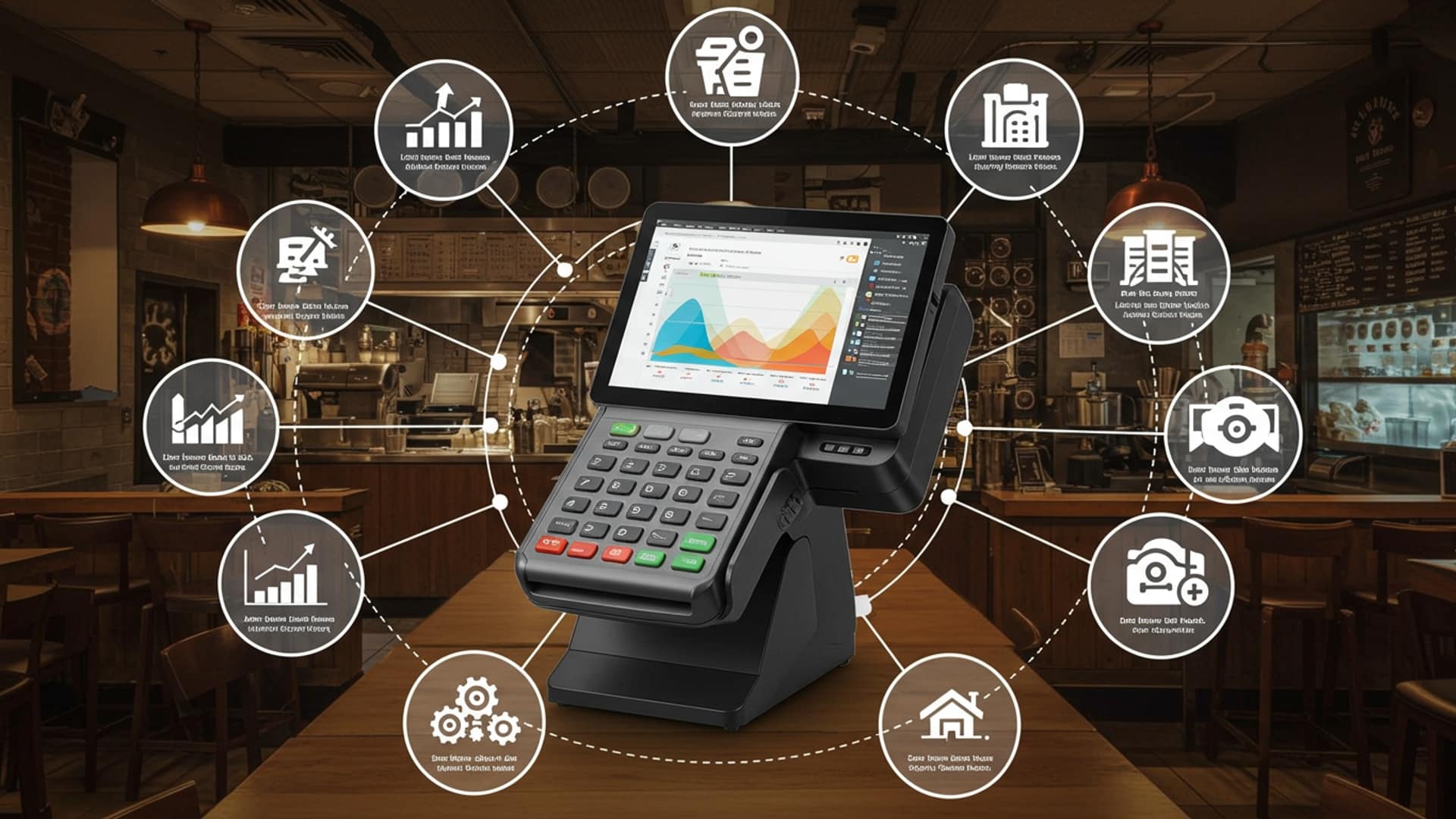
At its core, Restaurant POS (Point of Sale) software is the central nervous system of any modern eatery. Far beyond a simple cash register, it’s a comprehensive digital system designed to manage all aspects of restaurant operations, from taking orders and processing payments to tracking inventory and analyzing sales data. Modern Restaurant POS software typically leverages cloud technology, offering flexibility, real-time updates. accessibility from various devices, fundamentally transforming how restaurants operate and serve their customers.
1. Enhanced Efficiency and Speed in Operations
One of the most immediate and tangible benefits of implementing modern Restaurant POS software is the significant boost in operational efficiency and speed. In the fast-paced environment of a restaurant, every second counts. a streamlined workflow directly impacts customer satisfaction and table turnover.
- Faster Order Taking
- Quick Payment Processing
- Streamlined Workflow
Servers can use handheld devices or fixed terminals to input orders directly into the system, which are then instantly sent to the kitchen display system (KDS) or printers. This eliminates manual order pads, reduces errors from miscommunication. cuts down on the time it takes for food to reach the kitchen. For example, a busy pizzeria using a modern Restaurant POS software can shave minutes off each order, allowing them to serve more customers during peak hours.
Modern Restaurant POS software supports various payment methods, including EMV chip cards, contactless payments (NFC), mobile payments. even QR code payments. This not only speeds up the transaction process but also offers convenience to customers. Integrated payment processing means less manual entry, reducing the risk of human error and reconciling end-of-day reports.
From seating management to table assignments and course timing, a good Restaurant POS software orchestrates the entire dining experience. This efficiency allows staff to focus more on customer service rather than administrative tasks.
Invest in a Restaurant POS software with intuitive order entry and integrated payment processing to significantly reduce wait times and improve table turnover, directly impacting your bottom line.
2. Optimized Inventory Management and Waste Reduction
Food cost is a major concern for any restaurant owner. Modern Restaurant POS software provides powerful tools for inventory management, helping to minimize waste, prevent theft. ensure optimal stock levels.
- Real-time Tracking
- Automated Reordering
- Waste and Spoilage Monitoring
- Vendor Management
Every item sold through the POS is automatically deducted from inventory. This provides a real-time, accurate picture of what’s in stock. For instance, if a dish containing a specific cut of steak is ordered, the system tracks the raw ingredient usage.
Set par levels for ingredients. the Restaurant POS software can automatically generate purchase orders when stock runs low. This prevents both overstocking (which can lead to spoilage) and understocking (which can lead to menu item unavailability).
By precisely tracking ingredient usage and correlating it with sales, restaurants can identify popular items, slow-moving stock. potential areas of waste. This data empowers chefs and managers to adjust ordering, portion sizes. menu offerings. Consider a bakery that uses Restaurant POS software to track daily sales of different pastries; they can quickly identify which items sell out and which consistently have leftovers, allowing them to adjust production quantities.
Many systems allow integration with suppliers, simplifying the ordering process and tracking deliveries.
Leverage the inventory features of your Restaurant POS software to implement strict portion control, track ingredient costs accurately. schedule automated reorders to reduce food waste and improve profit margins.
3. Improved Customer Experience and Loyalty
In today’s competitive dining landscape, customer experience is paramount. Modern Restaurant POS software offers features that directly enhance customer satisfaction and foster loyalty.
- Personalized Service
- Loyalty Programs
- Accurate Orders
- Split Billing & Easy Customization
By tracking customer preferences, order history. dietary restrictions (if voluntarily provided), staff can offer a more personalized and memorable dining experience. Imagine a regular customer walking into their favorite café. the barista already knows their usual order thanks to the Restaurant POS software’s CRM features.
Integrated loyalty programs allow restaurants to reward frequent customers with points, discounts, or exclusive offers. This encourages repeat business and helps build a strong customer base. A study by Bond Brand Loyalty found that 79% of consumers are more likely to stay with a brand that offers a loyalty program.
Digital order taking significantly reduces human error, ensuring customers receive exactly what they ordered, hot and fresh. This minimizes frustrating situations like incorrect dishes or forgotten modifications.
Modern systems make it effortless to split bills among multiple diners or customize orders with special requests, enhancing convenience and reducing friction at payment time.
Utilize your Restaurant POS software’s customer relationship management (CRM) features and loyalty program modules to gather insights, personalize interactions. incentivize repeat visits, turning one-time diners into loyal patrons.
4. Data-Driven Decision Making and Analytics
Gone are the days of guessing what’s working and what’s not. Modern Restaurant POS software is a goldmine of data, providing invaluable insights that empower owners and managers to make informed, strategic decisions.
- Comprehensive Sales Reports
- Performance Analytics
- Menu Engineering
- Financial Forecasting
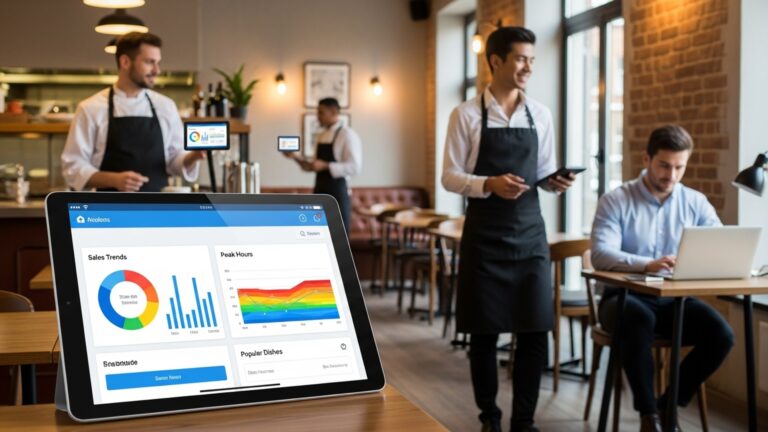
Access detailed reports on sales trends, peak hours, popular menu items, average check sizes. more. This data can reveal which dishes are high-profit margin winners and which are underperforming.
Track individual staff performance, identify top-selling servers. monitor kitchen efficiency. This allows for targeted training and resource allocation.
Use sales data to identify which menu items are most profitable and popular. This insight is crucial for optimizing your menu, adjusting pricing. removing underperforming dishes. For instance, if your Restaurant POS software shows that a particular appetizer has low sales but high ingredient cost, you might consider replacing it.
With historical sales data, restaurants can better forecast future demand, optimize staffing levels. manage inventory more effectively, particularly for seasonal fluctuations or special events.
Regularly review the analytics and reporting features of your Restaurant POS software. Use this data to refine your menu, optimize pricing strategies. make smarter staffing decisions to maximize profitability.
5. Simplified Staff Management
Managing a restaurant team can be complex. Restaurant POS software simplifies many HR-related tasks, leading to better staff organization and reduced administrative burden.
- Time and Attendance Tracking
- Shift Scheduling
- Performance Monitoring
- Payroll Integration
Employees can clock in and out directly through the POS terminal, providing accurate records for payroll. This eliminates manual timesheets and reduces errors.
Some advanced Restaurant POS software solutions offer integrated scheduling tools, allowing managers to create and distribute schedules, manage shift swaps. track labor costs in real-time.
As mentioned, the system can track individual server sales, average tips. table turns, providing objective data for performance reviews and incentive programs.
Many Restaurant POS software systems can integrate with popular payroll providers, exporting time and attendance data directly, which saves significant time and reduces manual data entry errors.
Implement the time clock and reporting features of your Restaurant POS software to streamline payroll, optimize staff scheduling. reward high-performing employees based on objective data.
6. Seamless Online Ordering and Delivery Integration
The rise of online ordering and food delivery services has dramatically reshaped the restaurant industry. Modern Restaurant POS software is essential for navigating this new landscape, expanding a restaurant’s reach and revenue streams.
- Unified Order Management
- Real-time Menu Updates
- Customer Data Consolidation
- In-house Delivery Management
Instead of juggling multiple tablets for different delivery platforms (DoorDash, Uber Eats, Grubhub), a good Restaurant POS software integrates these channels directly. All online orders flow into a single system, alongside in-house orders, streamlining kitchen operations.
Easily update your online menu, prices. availability across all platforms from a single interface within your Restaurant POS software. If an item sells out, it can be marked unavailable online instantly.
Online orders, like in-house orders, contribute to your customer database, allowing for consistent loyalty programs and personalized marketing efforts across all touchpoints.
For restaurants offering their own delivery, the Restaurant POS software can manage delivery zones, driver assignments. track order status, providing a comprehensive solution.
Choose a Restaurant POS software that offers robust online ordering and third-party delivery platform integrations. This will allow you to consolidate orders, maintain consistent menus. efficiently manage all sales channels from one central hub.
7. Robust Security and Compliance
Protecting sensitive customer and business data is non-negotiable. Modern Restaurant POS software is built with security in mind, offering features that help protect against fraud and ensure compliance with industry standards.
- PCI DSS Compliance
- Encrypted Transactions
- User Access Controls
- Cloud-based Backups
Reputable Restaurant POS software providers ensure their systems are compliant with the Payment Card Industry Data Security Standard (PCI DSS), which is critical for handling credit card data securely.
All payment transactions are encrypted, protecting cardholder data from potential breaches.
Managers can set specific permissions for different staff roles, limiting access to sensitive functions like voids, discounts, or reporting. This helps prevent internal theft and unauthorized actions.
With cloud-based Restaurant POS software, data is automatically backed up off-site, protecting against data loss due to hardware failures, natural disasters, or local system issues.
Prioritize Restaurant POS software providers that emphasize security, offering PCI compliance, robust encryption. granular user access controls to safeguard your business and your customers’ data.
8. Scalability and Adaptability for Future Growth
A restaurant’s needs evolve as it grows. Modern Restaurant POS software is designed to be scalable and adaptable, ensuring your technology can keep pace with your business expansion.
- Multi-Location Management
- Feature Add-ons and Integrations
- Hardware Flexibility
- Regular Updates and Enhancements
For businesses expanding to multiple outlets, cloud-based Restaurant POS software allows centralized management of menus, pricing, inventory. reporting across all locations from a single dashboard. This provides a holistic view of the entire operation.
Modern systems often operate on an app-store model, allowing restaurants to add new functionalities as needed—be it advanced loyalty programs, reservation systems, accounting software, or marketing tools—seamlessly integrating with the core POS.
Cloud-based Restaurant POS software can run on various hardware, from traditional terminals to tablets and mobile devices, offering flexibility as your operational needs change.
Unlike legacy systems that become outdated, modern Restaurant POS software receives regular updates and new features from the provider, ensuring your system remains cutting-edge without significant additional investment.
Choose a Restaurant POS software solution that offers clear paths for scalability and integrates with other essential business tools. This ensures your investment continues to pay off as your restaurant grows and adapts to new market demands.
Conclusion
The journey through the eight key benefits of modern restaurant POS software reveals more than just operational upgrades; it uncovers a strategic blueprint for sustained growth and enhanced customer loyalty. From streamlining order management and inventory to unlocking deep customer insights and ensuring payment security, a robust POS system truly empowers restaurant owners. My personal tip? Don’t just install it; deeply integrate and leverage its analytics. I’ve seen firsthand how a restaurant, by merely analyzing peak-hour transaction data from their POS, successfully optimized staffing and menu offerings, significantly boosting their per-table revenue and reducing waste. This proactive approach, fueled by real-time data, is a current trend that transforms businesses. To truly capitalize on these advantages, remember that your POS is a dynamic tool. Embrace features like integrated online ordering and contactless payments, which are no longer luxuries but necessities in today’s market. If you’re still considering your options, understanding how to choose the best system is your next crucial step. By committing to mastering your modern POS, you’re not just buying software; you’re investing in a smarter, more profitable. future-proof restaurant operation.
More Articles
How to Identify the Best Restaurant POS System Features for Success
5 Smart Strategies to Optimize Your Restaurant with POS Technology
Discover 7 Powerful Ways Restaurant POS Software Boosts Your Business
A Guide to Mastering Restaurant POS for Seamless Operations
10 Ways Restaurant POS Software Boosts Your Business Efficiency

FAQs
How does a modern POS system actually make my restaurant run faster?
It speeds things up by letting staff take orders quickly on tablets, sending them directly to the kitchen. processing payments almost instantly. This means less waiting for customers and a smoother flow for your team.
Can a new POS help me keep better track of my ingredients and stock?
Absolutely! Modern POS systems offer real-time inventory tracking. They can monitor what’s selling, what’s running low. even help you manage recipes to reduce waste and ensure you never run out of popular items.
Will this software cut down on order mistakes from my staff?
Yes, definitely. By digitalizing the ordering process and sending clear, precise instructions to the kitchen display, it significantly reduces the chance of human error, handwriting misinterpretations, or miscommunication.
What’s in it for my customers if I upgrade my POS?
Your customers get a much better experience! They’ll enjoy faster service, accurate orders. often benefit from loyalty programs, personalized offers. convenient online ordering options, making them happier and more likely to return.
How does a modern POS help me make smarter business decisions?
It collects a ton of valuable data – from peak sales hours and popular dishes to staff performance. This gives you powerful insights to optimize your menu, fine-tune staffing schedules. create more effective marketing strategies.
Does a modern POS system make things easier for my employees?
Yes, it really does! By automating many routine tasks like order entry, payment processing. even clocking in/out, your staff can spend more time focusing on providing excellent customer service rather than getting bogged down in manual processes.
Can a new POS handle all the different payment types people use these days?
Most certainly. Modern POS systems are built to accept a wide range of payment methods, including credit/debit cards, contactless payments, mobile wallets. even split bills, all while ensuring transactions are secure.
What about integrating with online orders or delivery apps?
Many modern POS systems offer seamless integration with popular online ordering platforms and third-party delivery services. This means all your orders, whether in-house or online, flow into one central system, simplifying management and preventing missed orders.